The Vegan and Plant-Based Poké Bowl Blueprint for Ottawa Diners
Let's be real: a vegan poké bowl can be a total letdown. You order one, hoping for that big, satisfying flavor punch, and instead you get a sad little pile of veggies that feels more like a side salad. Not the vibe.
But here's the secret: a truly great plant-based bowl isn't just a bunch of ingredients thrown together. It's engineered. It's about building layers of flavor and texture so you don't even miss the fish. We're talking about a blueprint for success.
In this post, we're going to walk you through it, step-by-step. We'll cover the five essential components of a built bowl, dive into protein sources that actually anchor a meal, and show you how to layer in serious umami. We'll also design the perfect crunch and cream, give you a step-by-step assembly order, and even offer some quick fixes for when your bowl feels a little "meh."
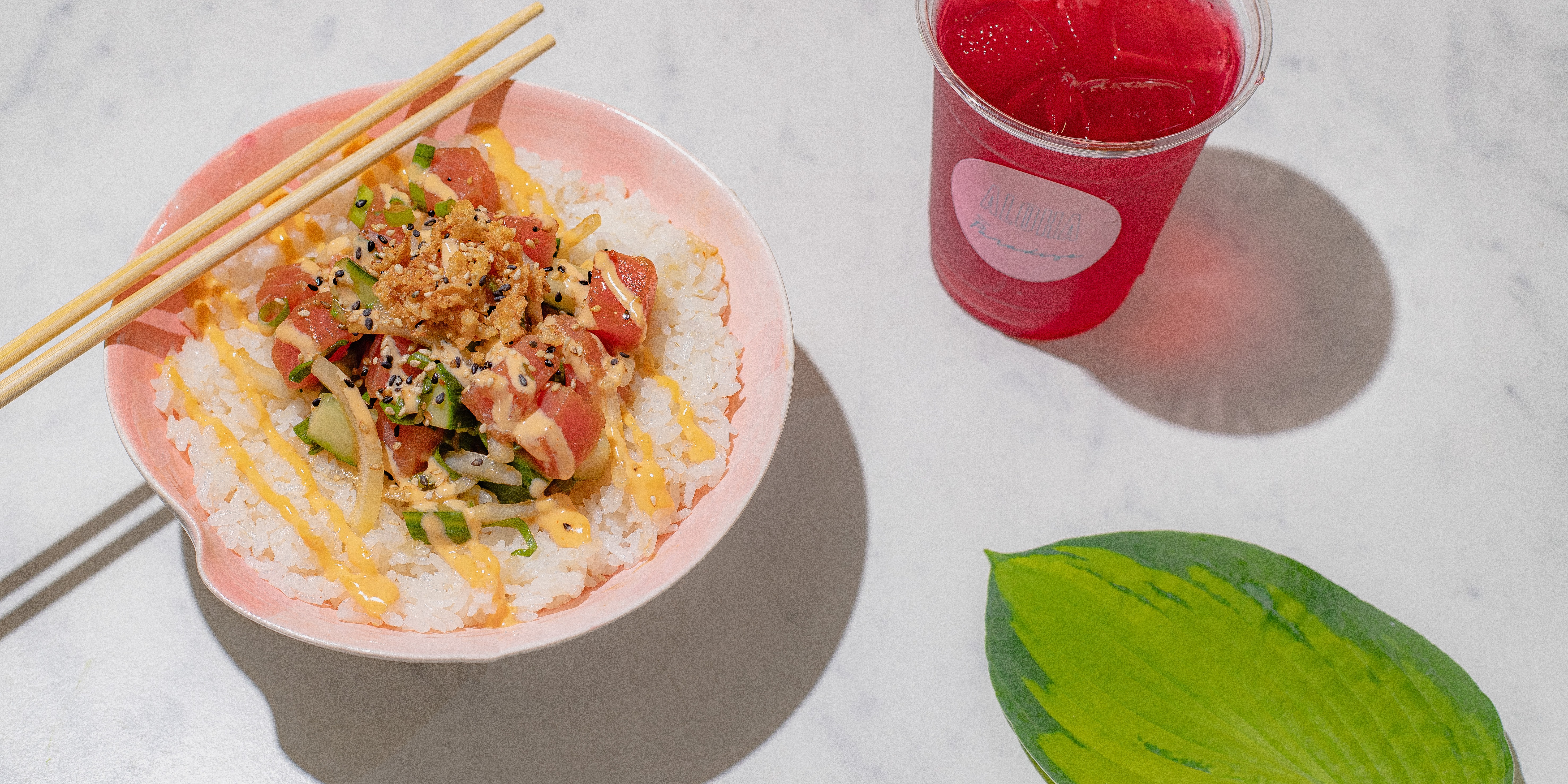
And if you're in Ottawa and want to see a blueprint in action, you're in luck. Paradise Poké, with spots in Westboro and Centretown, is a perfect place to start. Let's build a bowl that actually satisfies.
Why a Vegan Poké Bowl Needs a Blueprint, Not Vibes
Most plant-based bowls fail for one simple reason: they're improvised. You grab whatever's in the fridge, chop it up, and end up with something soft, watery, and light. Not dinner. A side salad in a bigger bowl.
Traditional poké doesn't have this problem. A piece of fish does three jobs at once: protein for heft, savoury richness for depth, and a firm texture that gives the bowl its bite. A vegan bowl has to split those jobs up on purpose. That's where our three-job framework comes in. Protein for staying power. Umami for that poké-style savoury punch. Crunch for the contrast that makes a bowl feel like a meal.
Think of this as a design exercise, not a nutrition prescription. We're talking taste, fullness, and texture here, not health claims.
The payoff? A bowl you can build in one pass at home, or order and customize at a poké counter, with a balance that reads as dinner, not a starter. Ready for the details? If you want a head start, our vegan poké bowl blueprint has the full walkthrough, and our FAQ covers the basics.
The Five Components of a Built Bowl
Now that vibes are officially out, here is the five-part checklist every built bowl needs. Treat it as your assembly map, not a recipe.
1. Base. Pick a grain or green that can take sauce without collapsing. Rice, quinoa, or shredded cabbage hold up; delicate greens turn to mush fast.
2. Protein anchor. Choose one centrepiece, not three half-portions fighting for space. A single confident protein keeps the bowl focused and filling.
3. Umami layer. This is the sauce, marinade, or seasoning that makes it taste like poké rather than a salad bar. Soy or tamari, sesame, and a little acid do the heavy lifting.
4. Crunch and texture. Add at least one crisp element (cucumber, radish, cabbage) and one soft or creamy element (avocado, creamy dressing). Contrast is what makes you keep eating.
5. Finish and garnish. Acid, something fresh, something toasty. Add them last so nothing goes soggy before you dig in.
Ready to build your bowl? Here is how to get started.
Protein: What Actually Anchors a Plant-Based Bowl
Now that you've got the five slots, let's lock the one that does the heavy lifting: the protein anchor. Organic tofu is your closest texture match to the cubed poké in a traditional Hawaiian poké bowl. Press it, cube it, then marinate it so it drinks up flavour instead of tasting blank. For a firmer bite, bake or pan-sear the cubes, then chill before they hit the bowl. That extra step gives you chew, not mush.
Tempeh brings a nutty, dense bite, edamame adds pop and freshness, and cooked beans or lentils go soft and creamy, so use them as a supporting scoop rather than the star. One solid anchor beats three half-portions. A bowl with one generous portion of seasoned tofu feels like dinner; a sprinkle of three proteins feels like garnish.
Organic matters to some diners, but keep it simple. Whether you're building at Paradise Poké or at home, treat organic as a preference, not a default or a nutritional upgrade. Pick one anchor, season it properly, and let the rest of the bowl support it. Next up: the umami layer that makes it taste like poké, not salad.
Umami: The Layer That Makes It Taste Like Poké
Now that you've got your protein anchor sorted, here's the part that separates a real poké bowl from a sad desk salad: umami. That's the savoury, mouth-filling quality that makes every bite taste substantial, even when the ingredients themselves are light. Think of it as the flavour scaffolding holding your bowl together.
Sauce direction one is a classic soy or tamari base with sesame oil, rice vinegar, and a touch of sweetness. Keep it thin and it soaks into your base; thicken it and it clings to every cube. Direction two is sesame-forward, using toasted sesame or tahini for depth. Nut-free swaps exist and they don't sacrifice flavour, which matters if you're building for dietary needs.
Here's a move worth stealing: marinate your protein before you assemble rather than dumping sauce on at the end. The flavour soaks in instead of just sitting on the surface.
Then layer ingredient-driven umami: sliced mushrooms, nori flakes, fermented flavours, toasted seeds. These add savoury complexity without drowning the bowl in sauce. That's how a smart, balanced meal actually comes together.
Next up: making it crunch.
Crunch, Chew, and Cream: Designing the Texture
Umami gives your bowl depth; texture gives it life. An all-soft build reads as a side dish even when the portion is huge, because every bite feels the same. Audit by spotting three jobs: crisp, creamy, toasty. Missing one? Fix it before adding more food.
For crunch, go thin: cucumber, radish, cabbage, peppers, or jicama. Thin slicing changes the whole experience, turning chunky veg into light, snappy ribbons. Add a creamy bridge too, like avocado or a creamy dressing, so the crunch does not feel dry and dusty. Then finish last with sesame seeds, crispy shallots, or crushed nuts if nut-free is not a concern. Last means right before eating, so they stay crisp instead of going soft.
Colour is your texture cue. A visually varied bowl tends to get assembled with more care and eaten with more interest, and produce like fresh beets gives you both bite and colour. That is the difference between a bowl that feels like dinner and one that feels like a garnish plate, a distinction worth knowing when you compare poké bowls vs. salad bowls vs. grain bowls.
Build It: A Step-by-Step Assembly Order
Good texture is half the battle, so let’s put it all together in the right order. Think of this as your assembly line for a customizable bowl that eats like a meal.
Step 1: Lay the foundation. Pick your base and spread it flat. A level bed of grains or greens keeps your toppings from getting buried in a mound.
Step 2: Anchor and dress the protein. Place your tofu, tempeh, or beans while the bowl is still mostly bare. Drizzle its marinade or sauce right on top so every bite gets flavour.
Step 3: Cluster your crunch. Add cucumber, radish, or cabbage in little piles rather than mixing them in. Keeping them separate means each texture stays distinct until you take a bite.
Step 4: Finish it off. Add your creamy element, like avocado, then sprinkle on seeds and nori. Squeeze fresh lime juice over everything right before serving for a last-second hit of acid.
Step 5: Taste and tweak once. Before you serve, taste it. If something’s missing, adjust just one thing, usually a little more acid or salt. Resist the urge to add three new ingredients at once.
That’s the blueprint. Now let’s troubleshoot when your bowl still feels a little too salad-like.
Five Fixes When Your Bowl Feels Like a Salad
Even with a solid blueprint, a bowl can still miss the mark. Here are five quick fixes for when it lands more side salad than dinner.
1. The watery bowl fix. Wet ingredients are the usual culprit. Drain your tofu well, pat your cucumber and cabbage dry, and keep your sauce in a separate container until the moment you eat. A bowl that sits dressed for hours will always go soupy.
2. The bland bowl fix. The flavour usually goes missing at the protein stage, not the sauce stage. Marinate your tofu before it hits the bowl so the seasoning really takes.
3. The not-filling fix. Reach for density over volume. More lettuce is rarely the answer. Add protein, beans, seeds, or avocado. A small amount of calorie-dense food will satisfy you far longer than another handful of greens.
4. The mushy bowl fix. This one matters most for packed lunches. Keep crisp elements like cucumber, radish, and cabbage completely separate and add them right before eating. Texture is a huge part of satisfaction.
5. The boring bowl fix. Change one layer at a time. Swap the protein or the sauce, not both. That way you actually learn which tweak made the difference, and your next bowl is better for it.
Where to Build One in Ottawa
If you'd rather skip the trial and error, Paradise Poké is an Ottawa-based, family-run spot with two locations: Westboro/Hintonburg at 118 Holland Ave and Downtown/Centretown at 134 Bank Street.
The menus are fully customizable, which is the whole point of this blueprint. You pick the base, the protein anchor, the sauce, and the crunchy finish instead of accepting a fixed build someone else designed.
Plant-based and vegan options are on offer, and dietary needs are part of the conversation too, including gluten free, dairy free, nut free, and vegetarian builds, so you can adapt the framework to your own restrictions. Just flag any allergies to staff so they can guide you.
Ordering for a crowd? Catering covers events, gatherings, and meetings for groups of 12 to 300 people. Packaging is biodegradable and recyclable when you're ordering to share.
Curious about the full menu and vibe? Looking for poké in Ottawa? Here's why Paradise Poké wins breaks it down.
Your Bowl, Your Blueprint
So you've got your Ottawa options sorted. Now let's lock in the blueprint itself, whether you're assembling at home or customizing at the counter.
With those three jobs in your back pocket, pick one anchor protein you already enjoy, say organic tofu or tempeh, and build outward from there. No need to overhaul everything at once. Just taste as you go, one tweak at a time.
And if assembly isn't your thing, both Paradise Poké locations in Ottawa will build it with you. Aloha.
Conclusion
Building a plant-based poké bowl that actually satisfies comes down to those three jobs working together. The layer most first-timers get wrong? Under-seasoned protein, so show your anchor some real flavour love before anything else hits the bowl.
Ready to put the blueprint to work? Both Paradise Poké locations in Ottawa let you customize a plant-based bowl to your own specs, and catering's there if you're feeding a crowd. Your perfect bowl is one build away. Aloha.


Comments